
Your body changes. Your bike fit should keep up. 🚴 Riding more or less, getting older, recovering from injury or changing equipment can all affect how your bike position feels. Our latest blog explains how your needs can change over the 6–24 months after your fit, and when to consider a review. If your riding has changed significantly, I recommend a check around 12 months after your initial fit—or sooner if discomfort develops.
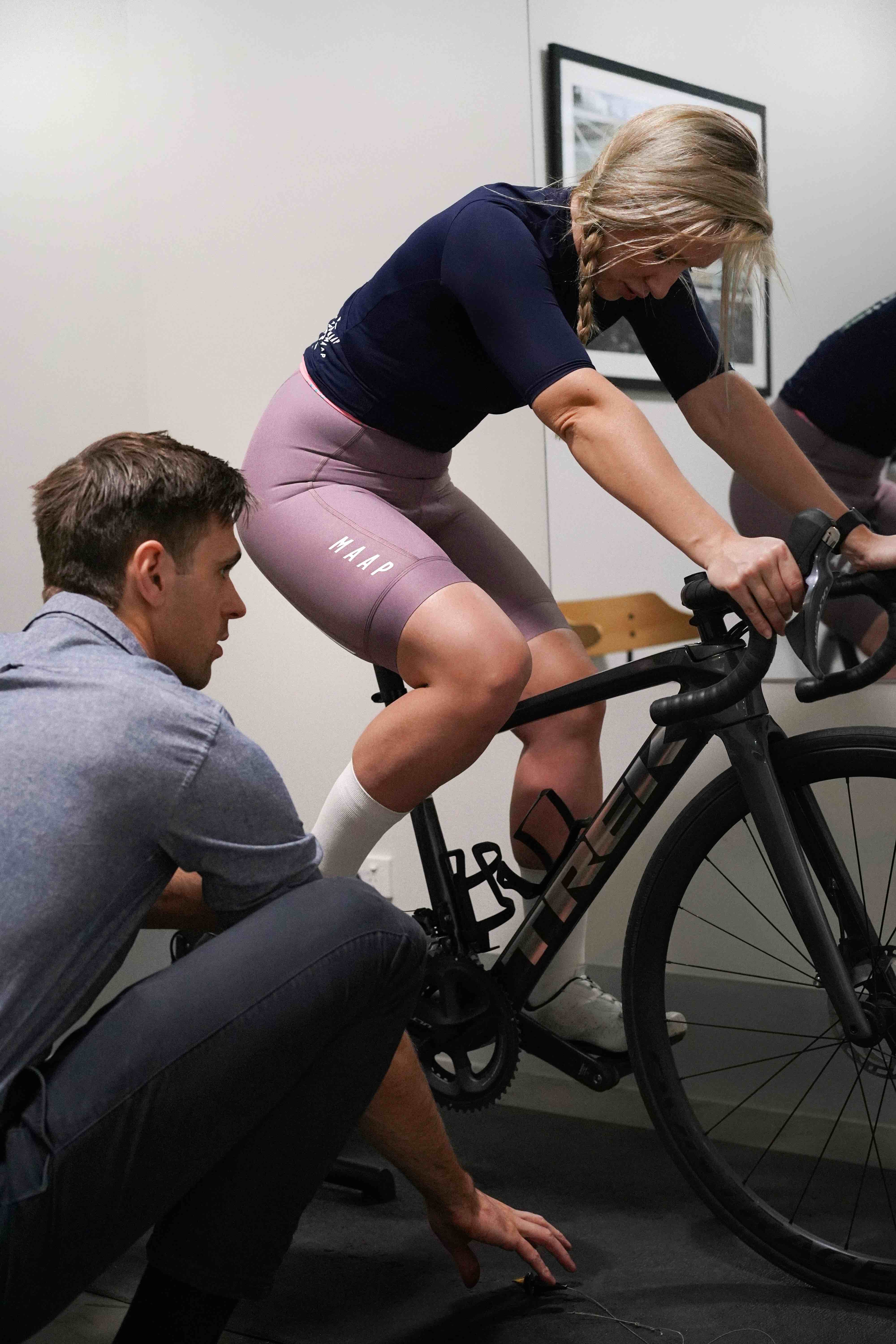
Your bike fit reflects your body, riding habits and goals at the time of your appointment. Over the next six months to two years, those things can change—even if your bike stays exactly the same.
You might start riding more, enter your first race, take time away from cycling or notice that your body feels different. A position that once felt comfortable and efficient may eventually need a few adjustments.
A bike fit is an ongoing process. Reviewing your position helps make sure it continues to support the riding you do today.
If you’ve gone from riding once or twice a week to three to five times a week, your cycling fitness, muscular endurance and ability to maintain your position may have changed.
Some riders become comfortable with a more performance-focused position, potentially involving greater handlebar reach or more drop between the saddle and handlebars. Others benefit from keeping their existing setup as their rides become longer or harder.
Riding more doesn’t automatically improve flexibility or mean you need a more aggressive position. Saddle angle, reach and handlebar height should reflect your individual needs.
If your riding has increased significantly, I recommend a review around 12 months after your initial fit. This is particularly valuable if you’ve started racing, when comfort, control and aerodynamics need to work together.
Work, family commitments and changes in routine can make regular riding difficult.
With less time on the bike, your conditioning, mobility and tolerance for a stretched-out position may change. Changes in body weight can also affect how comfortably you reach the handlebars and move through the pedal stroke.
You might notice more pressure on your hands, difficulty staying in the drops or fatigue through your neck and back.
A review can help identify whether a shorter reach, higher handlebars or changes to your saddle position would suit you better. If you’ve ridden very little over one to two years, an endurance-style bike with a taller front end and shorter reach may be worth considering, particularly if your current bike cannot comfortably accommodate the position you need.
For riders over 50, it’s worth paying attention to changes in mobility, strength and recovery. Previous injuries may also start affecting how comfortable you feel on the bike.
These changes vary considerably between people. Turning 50 doesn’t automatically mean you need a more upright position, but you shouldn’t feel obliged to maintain a setup that no longer suits you.
If reaching the handlebars feels harder, familiar rides leave you more sore, or an old injury starts interfering with your pedalling, a review can help reassess what your body needs now.
Regular, consistent riding helps you maintain the conditioning needed for a comfortable and efficient position.
A manageable routine is more useful than occasional big rides separated by long breaks. After time away, build your riding gradually rather than expecting your body to immediately tolerate your previous distance and intensity.
Strength and mobility work can also support your riding, particularly as your training habits and physical needs change.
You don’t need to wait for an annual check if something has changed. Consider a review if:
Even when a replacement component looks similar, its shape or dimensions can change how you sit, reach or pedal.
At Forward Bike Fit, I offer review sessions for your existing bike and review sessions for a new bike, available to all existing customers.
As a practical guide, consider a check around 12 months after your fit if your riding or body has changed significantly. Across the following one to two years, keep reassessing how your position feels—and come in sooner if discomfort develops.
A review doesn’t always mean making major changes. Sometimes a small adjustment is enough; other times, it confirms that your current setup still suits you.
If your body, bike or riding goals have changed, book a review by clicking this link so we can keep your position working for you.
Anders
Please click book online to make an appointment.
If you have any questions or feedback, feel free to fill out the form. We would love to hear from you!
📍 1/29 Stubbs Street, Kensington, Victoria 3031

